
Dental Implants vs Dentures Understanding the Best Choice for Your Oral Health
- Fahim Mohi
- 12 minutes ago
- 4 min read

Choosing the right solution for missing teeth can feel overwhelming. Dental implants and dentures are two common options, but they differ significantly in how they affect your oral health, comfort, and lifestyle. This guide breaks down the long-term health benefits of dental implants, explains the surgical process, and outlines the recovery timeline. It also compares these factors with dentures to help you decide which option fits your needs best.
.
What Are Dental Implants and Dentures?
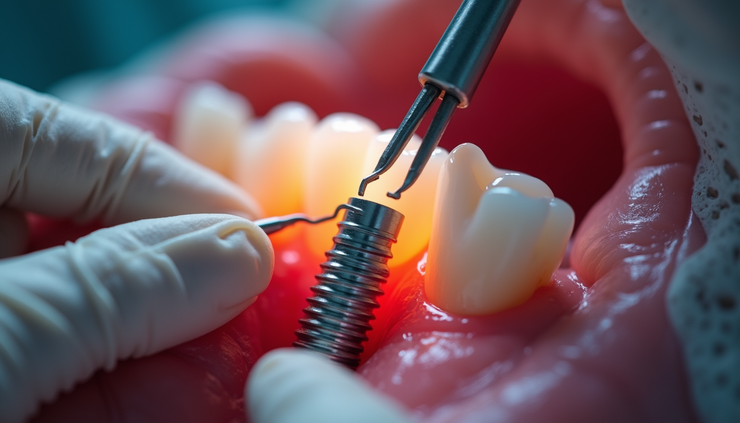
Dental implants are titanium posts surgically inserted into the jawbone to replace tooth roots. Once healed, they support crowns, bridges, or dentures, providing a stable and permanent tooth replacement.
Dentures are removable prosthetic teeth that rest on the gums. They can replace a few missing teeth (partial dentures) or a full set (complete dentures). Dentures do not involve surgery and are typically less expensive upfront.
Long-Term Health Benefits of Dental Implants
Dental implants offer several advantages that go beyond aesthetics:
Bone Preservation
Implants stimulate the jawbone like natural teeth, preventing bone loss that usually occurs after tooth extraction. This helps maintain facial structure and prevents the sunken appearance often seen with long-term denture use.
Improved Oral Function
Because implants fuse with the bone, they provide strong support for chewing and speaking. This stability allows you to eat a wider variety of foods without discomfort or slipping.
Better Oral Hygiene
Implants can be brushed and flossed like natural teeth, reducing the risk of gum disease and decay that can affect remaining teeth or dentures.
Longevity
With proper care, implants can last 20 years or more, often a lifetime. Dentures typically need replacement or adjustment every 5 to 10 years.
Comfort and Confidence
Implants feel more natural and secure, eliminating the irritation and embarrassment sometimes caused by loose dentures.
The Surgical Process for Dental Implants
The implant procedure usually involves several steps over a few months:
Initial Consultation and Planning
Your dentist evaluates your oral health, bone density, and medical history. X-rays or 3D scans help plan implant placement.
Tooth Extraction (if needed)
If damaged teeth remain, they are removed before implant placement.
Implant Placement Surgery
Under local anesthesia, the dentist drills into the jawbone and inserts the titanium implant. The gum is stitched closed over the implant.
Osseointegration
Over 3 to 6 months, the implant fuses with the bone, creating a strong foundation.
Abutment Placement
A small connector called an abutment is attached to the implant to hold the new tooth.
Crown or Prosthetic Attachment
Finally, a custom-made crown, bridge, or denture is secured to the abutment.
Recovery Timeline After Implant Surgery
Recovery varies by individual but generally follows this pattern:
First Few Days
Mild swelling, bruising, and discomfort are common. Pain medication and cold compresses help manage symptoms.
First Two Weeks
Stitches may dissolve or be removed. Soft foods are recommended to avoid disturbing the implant site.
3 to 6 Months
Osseointegration occurs during this period. Regular check-ups ensure healing progresses well.
After Healing
Once the implant is stable, the permanent tooth replacement is attached. Normal eating and oral hygiene routines can resume.
Dentures: Pros and Cons Compared to Implants
Dentures offer a non-surgical, quicker solution but come with trade-offs:
Advantages of Dentures
Lower Initial Cost
Dentures are generally more affordable upfront than implants.
Non-Invasive
No surgery is required, making dentures suitable for patients who cannot undergo implant surgery due to health reasons.
Quick Solution
Dentures can be made and fitted within weeks.
Disadvantages of Dentures
Bone Loss
Dentures do not prevent jawbone deterioration, which can change facial shape over time.
Fit and Comfort Issues
Dentures may slip or cause sore spots, requiring adhesives or adjustments.
Dietary Limitations
Some foods are difficult to eat with dentures, affecting nutrition and enjoyment.
Maintenance
Dentures require daily cleaning and periodic replacement.
Who Should Choose Dental Implants?
Dental implants suit people who:
Have sufficient jawbone density or are willing to undergo bone grafting.
Want a permanent, natural-feeling tooth replacement.
Are in good overall health to undergo minor surgery.
Prefer a solution that supports long-term oral health.
Are willing to invest more upfront for lasting benefits.
Who Should Consider Dentures?
Dentures may be the better choice for those who:
Have significant bone loss or medical conditions that prevent surgery.
Need a faster, less invasive tooth replacement.
Have budget constraints that make implants impractical.
Prefer removable options for ease of cleaning.
Practical Tips for Making Your Decision
Consult a dental professional for a thorough evaluation and personalized advice.
Consider your lifestyle: If you enjoy a variety of foods and an active lifestyle, implants may offer better support.
Think about long-term costs: While implants cost more initially, dentures may require more frequent replacements and adjustments.
Assess your comfort with surgery: Implants require a healing period and minor surgery, which may not suit everyone.
Final Thoughts on Choosing Between Implants and Dentures
Dental implants provide strong, natural-feeling tooth replacements that support jaw health and function for many years. Dentures offer a less invasive, more affordable option but come with limitations in comfort and bone preservation. Understanding the surgical process, recovery timeline, and long-term benefits can help you make an informed choice that fits your health needs and lifestyle.
If you are considering tooth replacement, schedule a consultation with your dentist to explore which option aligns best with your goals. Taking this step can improve your oral health, confidence, and quality of life for years to come.


Comments